If you’ve never been to a cabaret show, Chicago is a great place to start.
With a 100-plus year history rooted in the city’s early jazz clubs and nightlife, the local cabaret scene has evolved into a diverse community of singers, musicians, actors, storytellers, interdisciplinary artists, directors, and producers who collectively stage hundreds of shows each year.
About Chicago’s cabaret scene
Chicago is filled with unique venues to catch cabaret shows, from intimate piano bars to neighborhood theatres for dinner and a show. The best way to find upcoming cabaret shows in Chicago is through local resources like the Chicago Cabaret Professionals, Working In Concert, and the Choose Chicago events calendar
Learn more about the city’s storied cabaret scene, from Chicago Cabaret Week to top venues to check out.
Chicago cabaret guide
What makes a show a cabaret?
Cabaret is its own thing. It’s not quite a concert, not quite theatre, and not quite stand-up.
But cabaret does borrow from many art forms, with a mix of musical numbers and storytelling. It can also include dance, puppetry, magic, or visual arts and other theatrical elements.
What really makes the Chicago scene special is the range of voices and variety of musical styles — including jazz, blues, swing, pop, comedy, spoken word, Broadway, and burlesque — and the performers who reflect the city itself: connecting their life experience and musical interests in a creative way.
History of Chicago cabaret
Chicago’s cabaret scene took off in the early 1900s during the Ragtime era, when dancing and nightlife were booming. These venues quickly became places where people from different backgrounds could mix — something pretty unusual at the time — and they were among the first spots where women could drink in public.
From the start, Chicago’s cabarets were influenced by the famous café-style nightlife of Montmartre in Paris —
By the 1910s and 1920s, cabarets thrived in three main areas of the city: the downtown Loop, Towertown on the Near North Side, and the South Side’s Bronzeville and Levee District.
Towertown, an enclave around Michigan Avenue’s historic Water Tower, became the city’s bohemian hub — full of artists, radicals, and nightlife seekers. The Dill Pickle Club captured that vibe perfectly, blending performances, lectures, and late-night socializing.
On the South Side, Bronzeville’s “black and tan” clubs were just as important, bringing together Black performers and mixed audiences during segregation and helping shape early jazz culture.
Then came Prohibition, which hit the scene hard. A late-1920s crackdown wiped out jobs for hundreds of performers, and even after repeal in 1933, strict regulations kept many clubs from recovering.
Cabaret made a comeback after World War II, especially around Rush Street, where clubs like Mister Kelly’s drew major stars. Later, smaller venues like Gentry of Chicago carried the tradition forward.
Today, cabaret in Chicago still reflects its roots — part Parisian inspiration, part local grit — continuing as an intimate, ever-evolving slice of the city’s nightlife.
Chicago cabaret venues
In Chicago, cabaret happens everywhere — and honestly, the space you pick can shape the night just as much as the performer.
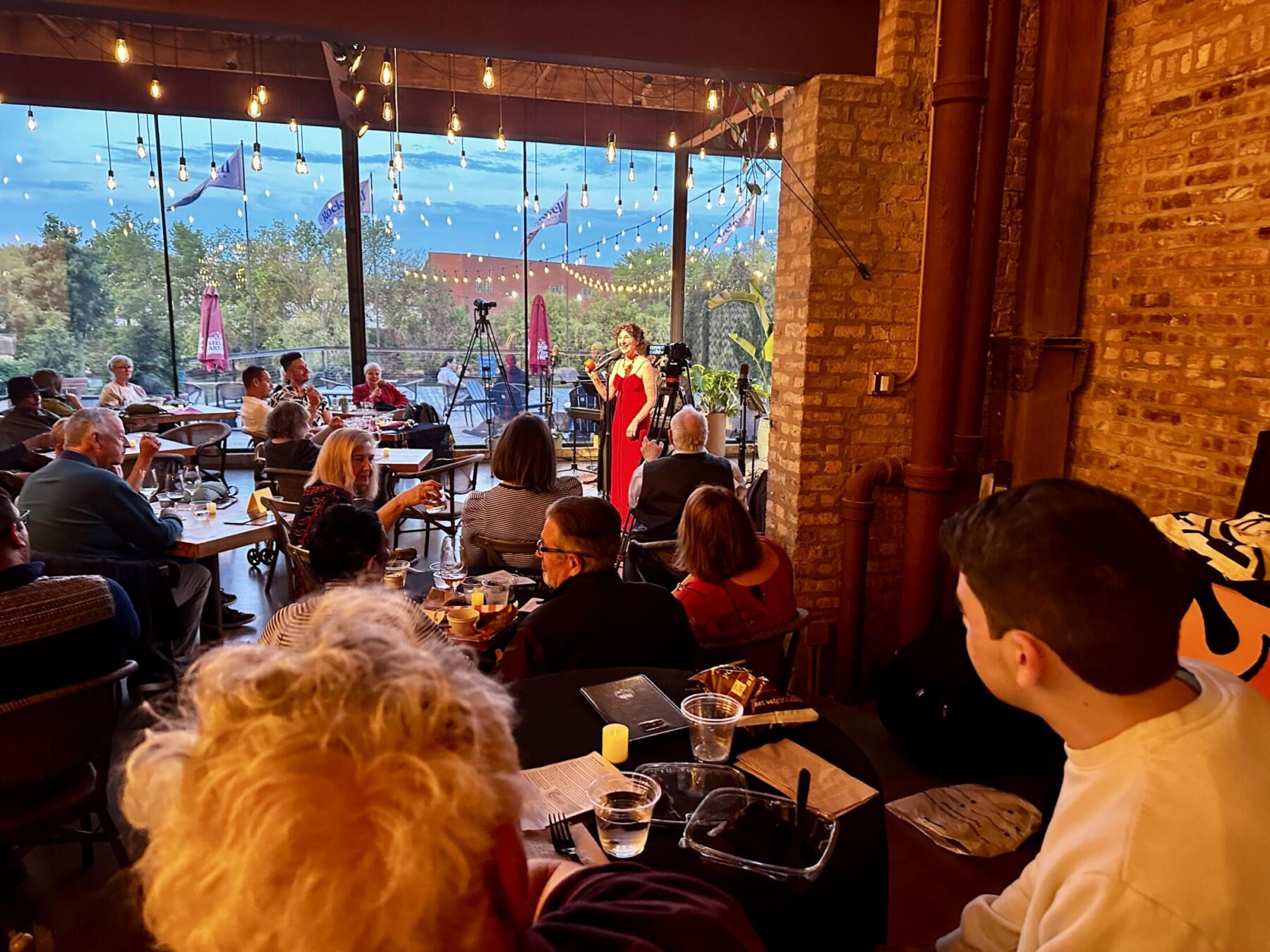
You might end up in a small, tucked-away spot like The CheckOut or Stars & Garters, where it feels like you’ve discovered something a little under the radar. Or you could land at Rhapsody Theater, a retro 1921 theater with cabaret seating, great cocktails, and the kind of sound that makes you want to lean in and stay awhile.
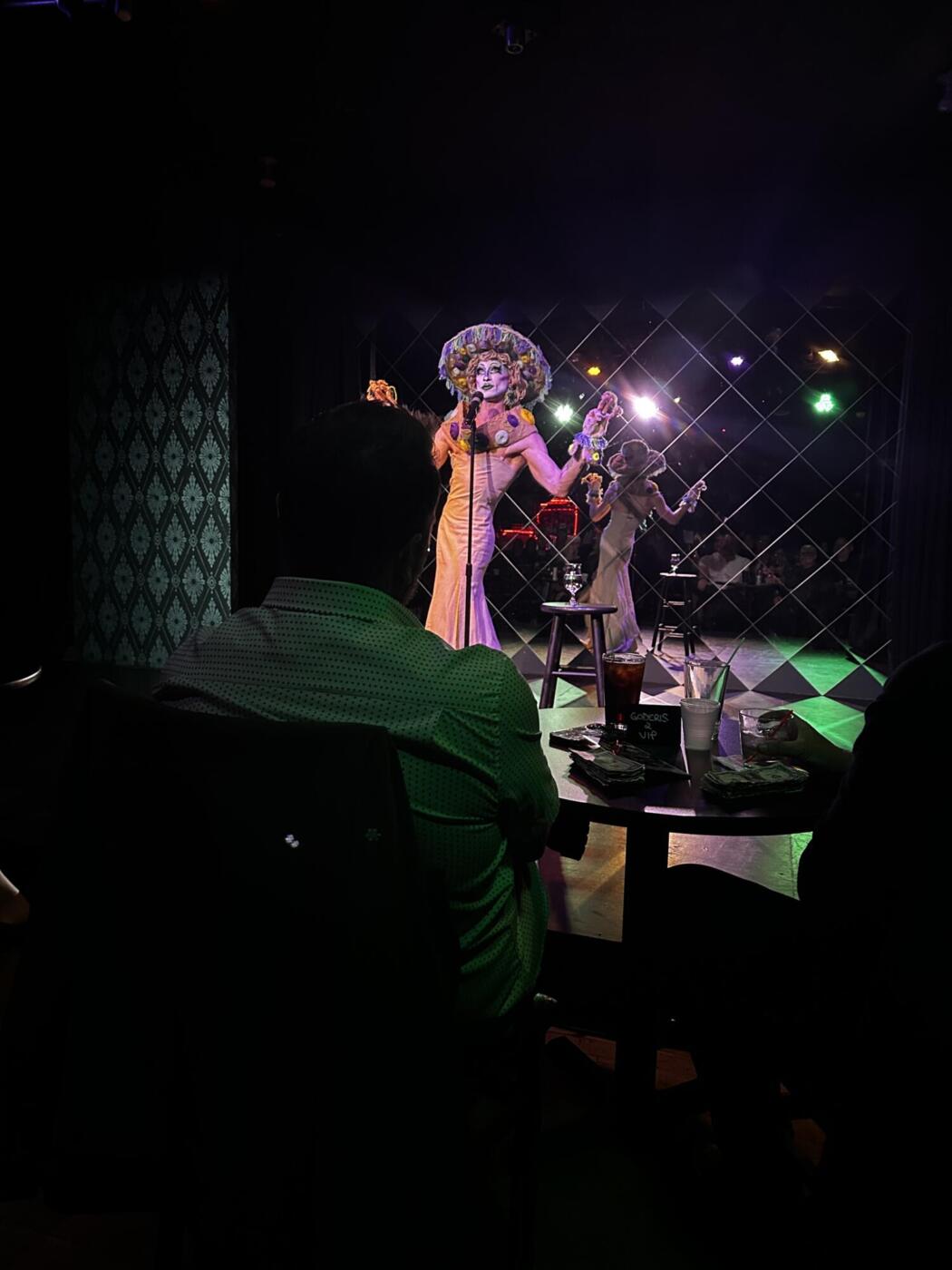
If you’re in the mood for something a little more polished, PianoForte Chicago has that clean, concert-style vibe — beautiful instruments, great acoustics, everything dialed in. On the flip side, The Newport Theatre (named “Best Venue for Burlesque 2025” by the Chicago Reader) brings a bit more edge, with cabaret performances that can get bold, playful, and a little unpredictable.
Want something more low-key? Haven really does feel like a haven, with a cozy and welcoming atmosphere. Hey Nonny leans more into the music side, with a mix of cabaret, jazz, and singer-songwriter energy. And Epiphany Center for the Arts, set inside a beautifully restored 19th-century church, is one of those spaces that just feels special the second you walk in.
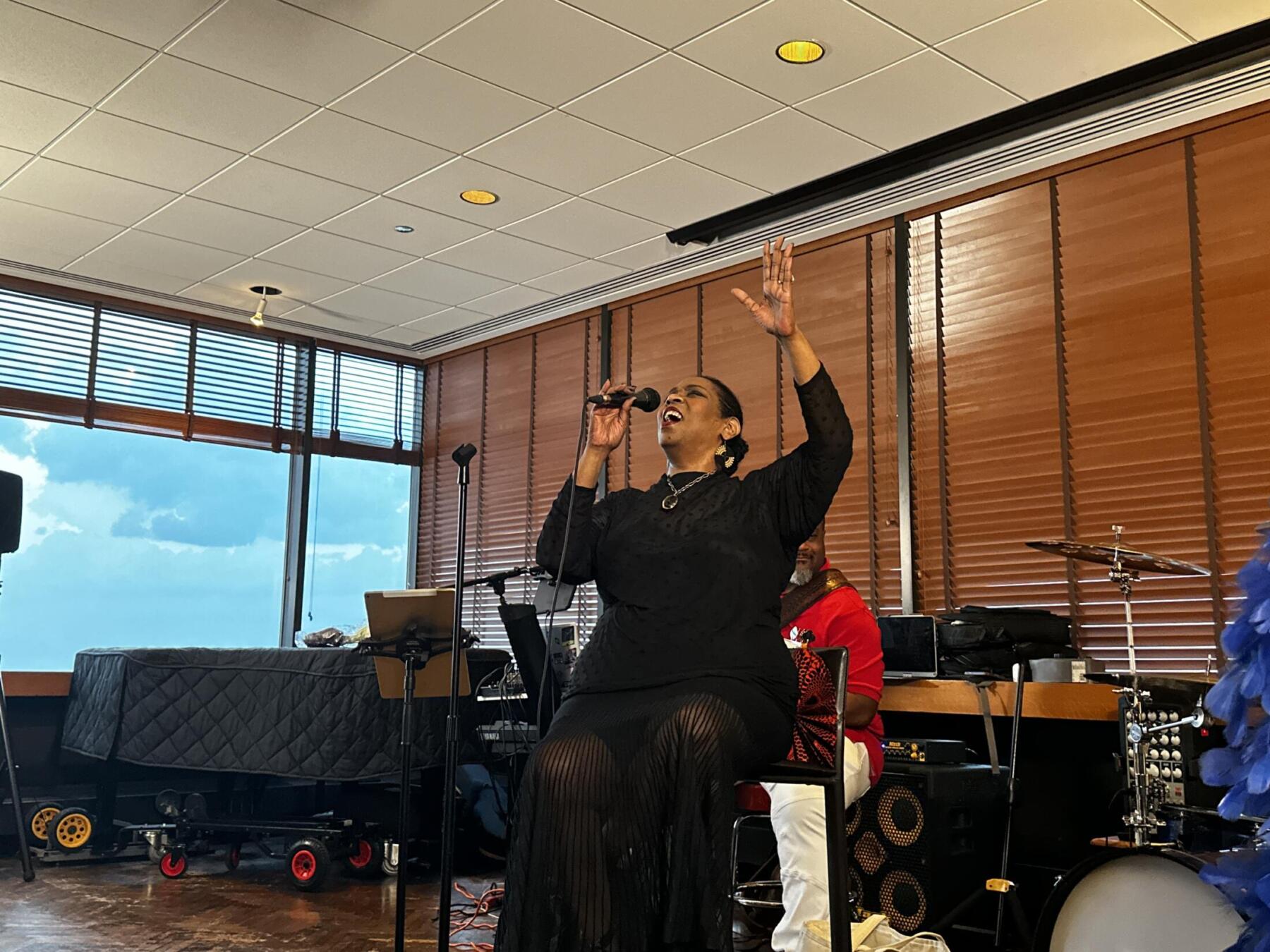
For something that feels very Chicago, Le Piano hits that sweet spot between cabaret and jazz club — intimate, a little moody, and full of personality. And if you like the idea of dinner with your show, there are plenty of spots around the city where you can settle in with a meal and let the performance unfold around you. It’s an easy, unhurried way to spend an evening.
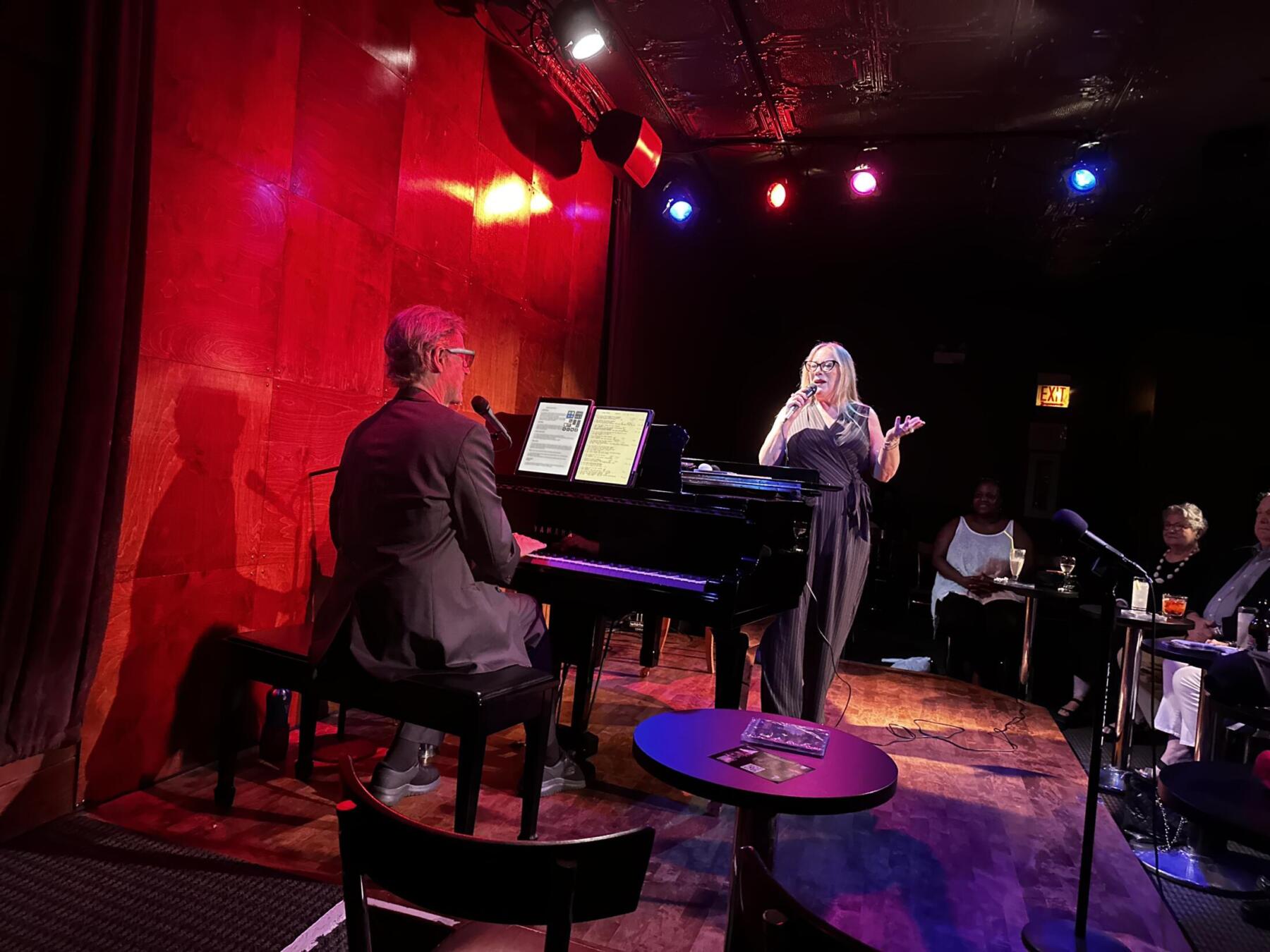
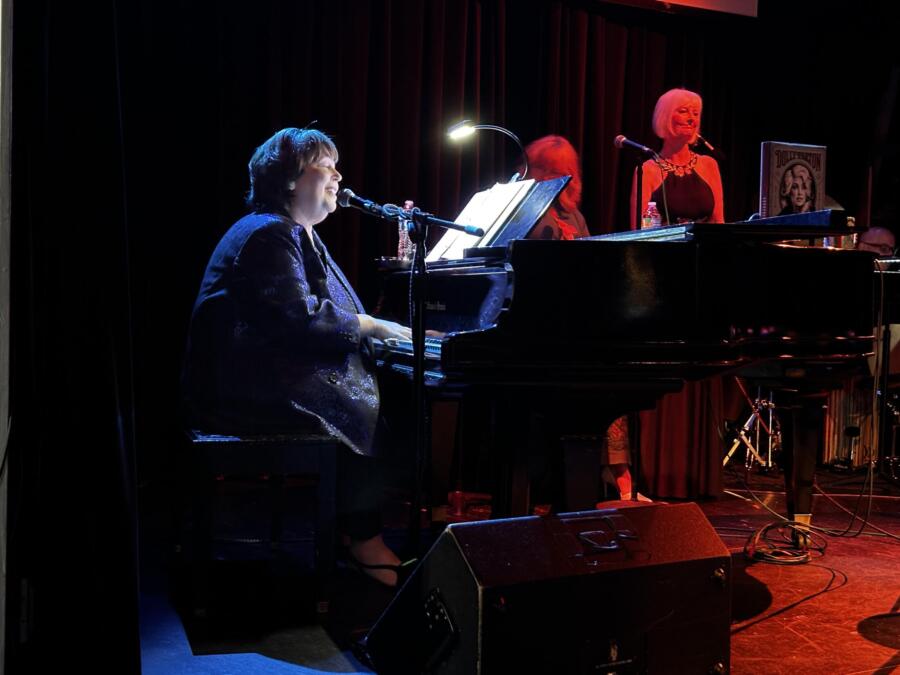
And then there are the piano bars, which are kind of the heartbeat of it all. Places like The Redhead Piano Bar have been doing this for decades, with singers and pianists taking requests, playing standards, and keeping things loose and social. It’s a different energy — less “sit quietly and watch,” more “be in the moment and enjoy it.”
The takeaway? There’s no “correct” venue. Some are elegant, some are casual, some are theatrical, and some feel like a party. Part of the fun is trying different spaces and seeing how the atmosphere shapes the experience.
Types of cabaret shows
Pick any night of the week and any area of the city, and you’re likely to find a cabaret show. You might walk into a solo show, where one performer carries the entire evening — singing, storytelling, and shaping a clear emotional arc. These shows can be autobiographical, historical, or built around a theme (love, identity, a specific artist, or even a moment in time).
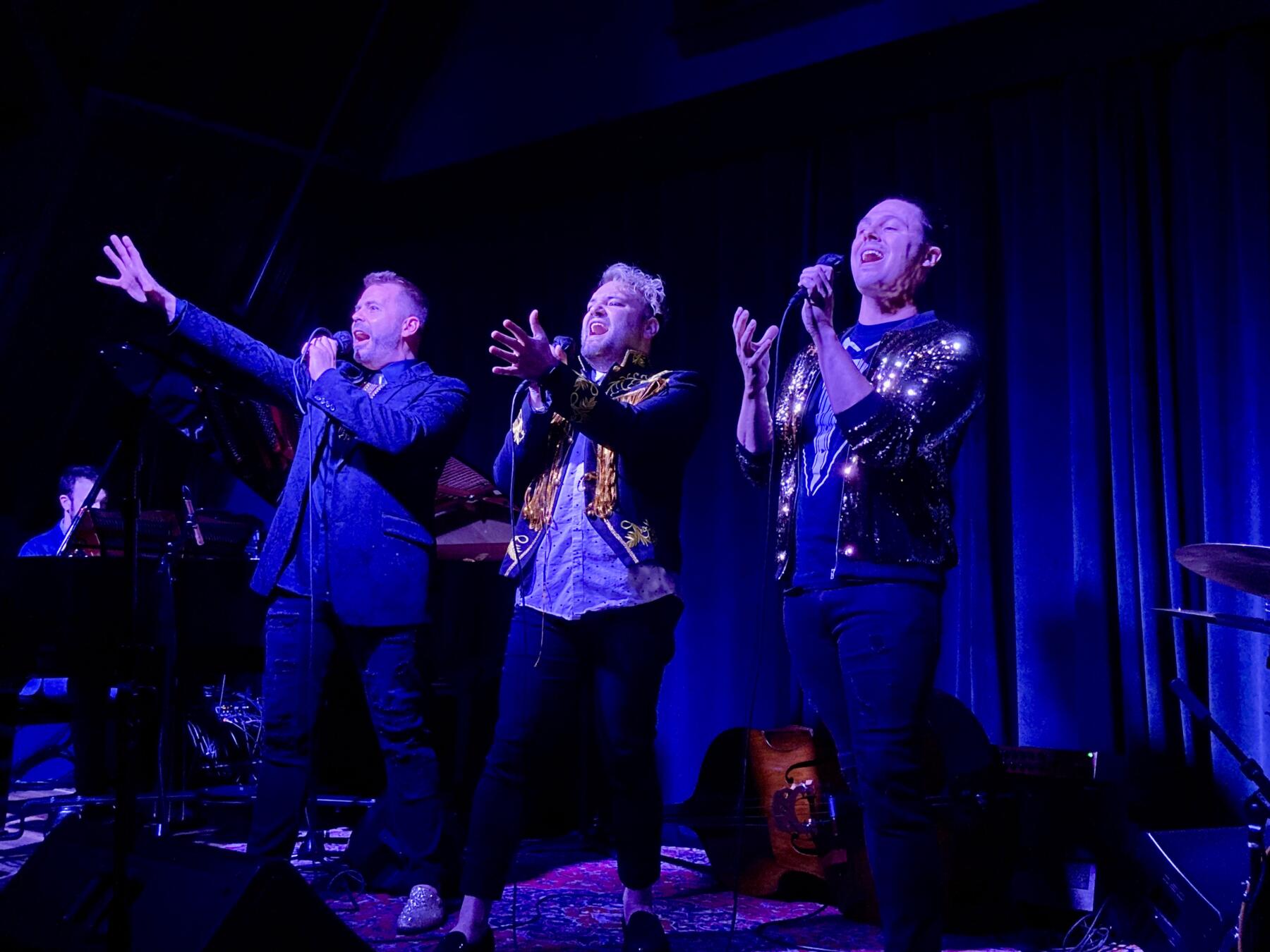
Other nights, you’ll find duos or trios, where performers share the spotlight. These shows often play with harmony, chemistry, and contrast, with different voices and perspectives, and sometimes even a bit of friendly banter.
Then there are ensemble shows, showcase performances, special events, and open mics where multiple artists take the stage, each bringing their own style. At piano bars, audiences can request certain songs and sing along with the music.
Where to find cabaret shows in Chicago
Ready to dive into the local cabaret scene? These are some of the best places to keep track of what’s playing:
- Chicago Cabaret Professionals
- Working In Concert
- Choose Chicago events calendar
And every May, you can experience a curated introduction to the cabaret scene with Chicago Cabaret Week, which brings together performers and venues across the city for an unforgettable stretch of shows. This year’s Cabaret Week will feature more than 50 performers from May 8 through 17, 2026.
What to expect at a cabaret show
Cabaret audiences tend to be attentive but relaxed. You don’t need to dress up (unless you want to), and you don’t need to know the material ahead of time. Just show up ready to listen.
Sit close if you can. Order a drink. Let yourself lean into the experience.
Because at its core, cabaret is about connection. It’s a performer sharing something meaningful, in real time, with a room full of people who are right there with them.
And once you experience that kind of closeness, it’s hard not to want more.