
Festivals, Fairs & Special Events, Museums, Galleries & Exhibitions
Moravian Glory: From Folk Heritage to Modern Expression Opening Reception September 25, 2026
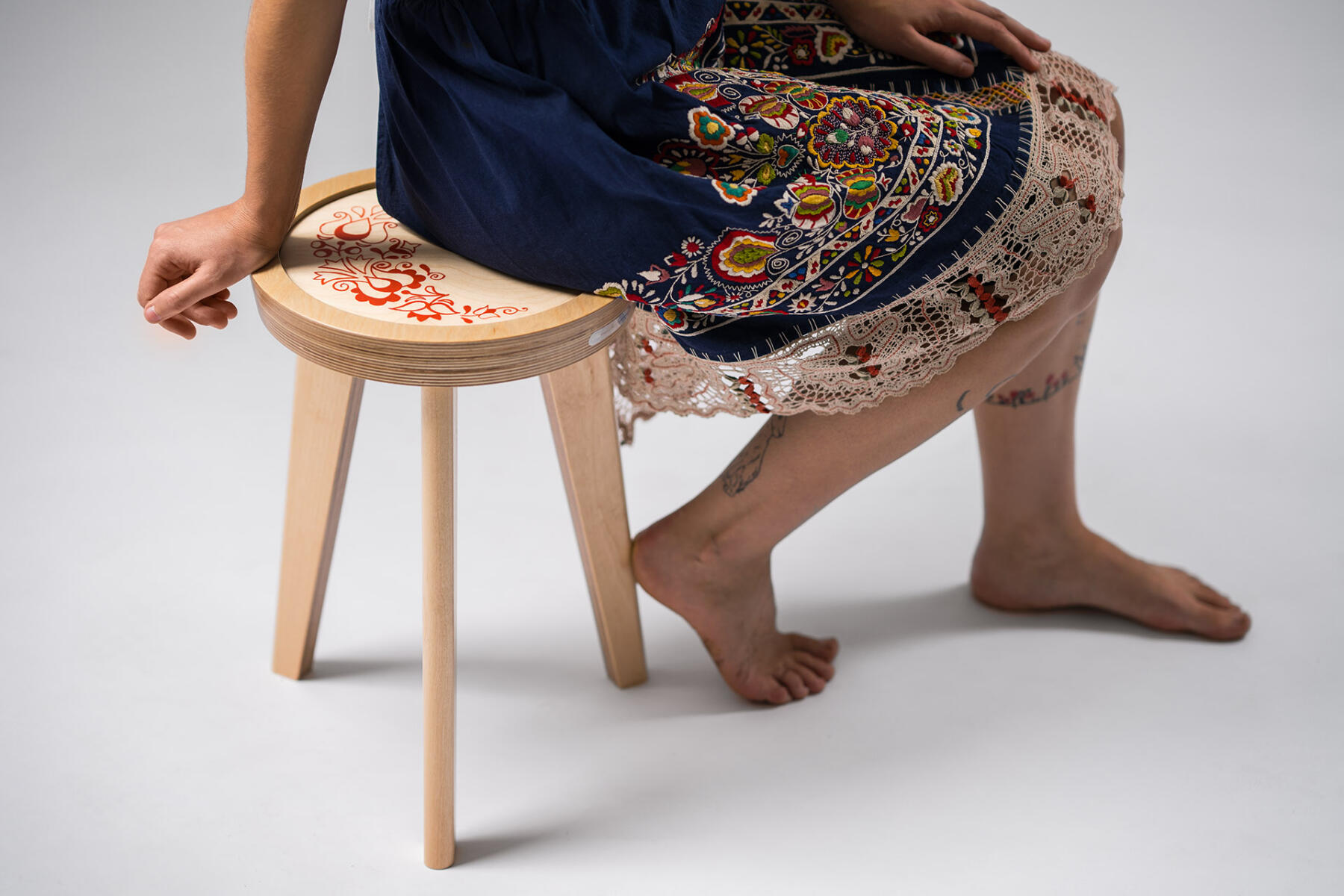
Chicago, IL — September 25, 2026 — Moravian Glory: From Folk Heritage to Modern Expression brings together works by Czech painter and graphic artist Joža Uprka with contemporary photography, design, and traditional craft. Presented by the Moravian Glory Foundation in collaboration with Uprka in America, the exhibition includes Uprka’s prints alongside large-format photographs by Alžběta Jungrová, traditional Moravian ceramics, authentic indigo-print skirts, and contemporary works including limited-edition Moravian Glory stools by Helena Dařbujánová and Marie Švirgová, Gon by Jakub Pollág for Master & Master, and Ondule tables by Jan Plecháč and Henry Wielgus for Deelive. Originally conceived as Contemporary Takes on Folk Motifs, the exhibition has evolved into a more intimate presentation examining how Moravian heritage continues to find expression through contemporary art and design. Uprka worked at a moment of significant cultural and technological change. At the turn of the 20th century, industrialization was transforming cities and reaching the countryside, while mass production increasingly challenged generations-old practices of craftsmanship and the everyday use of traditional Moravian dress. Instead of treating these traditions as remnants of a disappearing past, Uprka elevated the kroj and the people who wore it as subjects of modern art. His Impressionistic approach reinterpreted Moravian life into a form of contemporary visual expression, while his participation in artistic and cultural networks extended this vision beyond the canvas. His posters for cultural events and exhibitions, including those organized by the Association of Moravian Artists (Sdružení výtvarných umělců moravských, SVUM), further demonstrate his efforts of promoting Moravian culture within a broader artistic landscape. The contemporary works in Moravian Glory continue this same lineage, exploring how cultural identity has evolved through changing artistic interpretations. Alžběta Jungrová’s large-format photographs place traditional Moravian indigo-print skirts against the contemporary female body, transforming the kroj into dynamic compositions concerned with movement, femininity, and identity. Accompanied by an installation of authentic indigo-print textiles, the photographs bring the physical presence of this tradition. Traditional ceramics similarly highlight how craftsmanship and ornament were embedded in everyday Moravian life, while Moravian Glory stools bring hand-painted folk ornament onto a new form. Gon and Ondule extend the conversation further, demonstrating how Czech values of craftsmanship, functionality, and innovation can persist even when prior traditional approaches are no longer directly reproduced. Born in Kněždub, South Moravia, in 1861, Joža Úprka (1861–1940) was a Czech painter and graphic artist whose work combined elements of Impressionism and Art Nouveau with a focus on folklife of Southern Moravia. His paintings, prints, and posters brought the people, landscapes, and customs of his region into artistic dialogues of his time. Uprka in America, founded by Czech-American collector George Drost, seeks to preserve and share this artistic legacy with wider audiences, emphasizing Uprka’s continued influence and the continued relevance of his work. Moravian Glory: From Folk Heritage to Modern Expression takes on particular significance in Chicago during Czech Heritage Week, where Moravian traditions continue to be carried across generations and borders. The exhibition reflects the mission of the Moravian Glory Foundation, founded in 2020 by Czech-American entrepreneur and philanthropist Monika Vintrlíková to preserve and share the traditions, folk art, costumes, ornament, and craftsmanship of South Moravia while connecting them with contemporary art for new generations and audiences worldwide. By bringing Uprka’s work into conversation with contemporary makers, the exhibition presents culture as a living tradition, continually reshaped by the people who inherit and carry it forward.